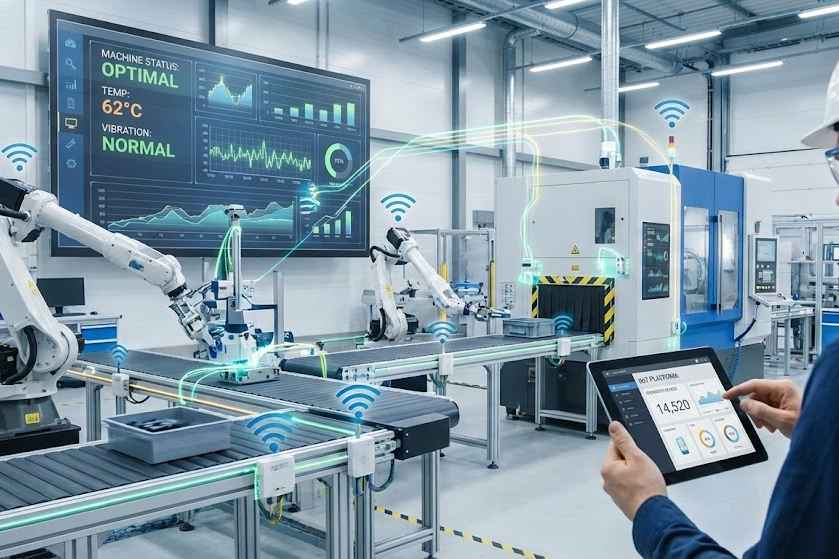
In the world of Industrial IoT (IIoT), data volume is deceptive. A single machine with 10 sensors reporting every 100ms generates nearly 9 million data points a day. Multiply that by 50 machines, and a traditional relational database (like MySQL or standard PostgreSQL) will choke on ingestion and slow to a crawl on queries.
The Problem with Relational DBs for IoT Standard SQL databases are designed for transactional integrity (ACID) and complex relationships, not high-velocity append-only data. Indexing millions of rows in real-time creates a massive I/O bottleneck. Furthermore, deleting old data (retention policies) in a standard SQL DB is an expensive operation that causes fragmentation.
Why We Choose TimescaleDB & InfluxDB For our IoT projects, we leverage specialized Time-Series Databases (TSDBs).
High Ingestion Rates: They are optimized to handle tens of thousands of writes per second.
Compression: TSDBs use specialized compression algorithms (like Gorilla) to reduce storage costs by up to 90%.
Downsampling: They allow us to automatically aggregate high-res data (raw sensor readings) into low-res data (hourly averages) for long-term storage, keeping queries fast and dashboards snappy.
Conclusion Choosing the right database architecture at the start of an IoT project is critical. It is the difference between a system that scales effortlessly and one that requires a complete rewrite 6 months after launch.